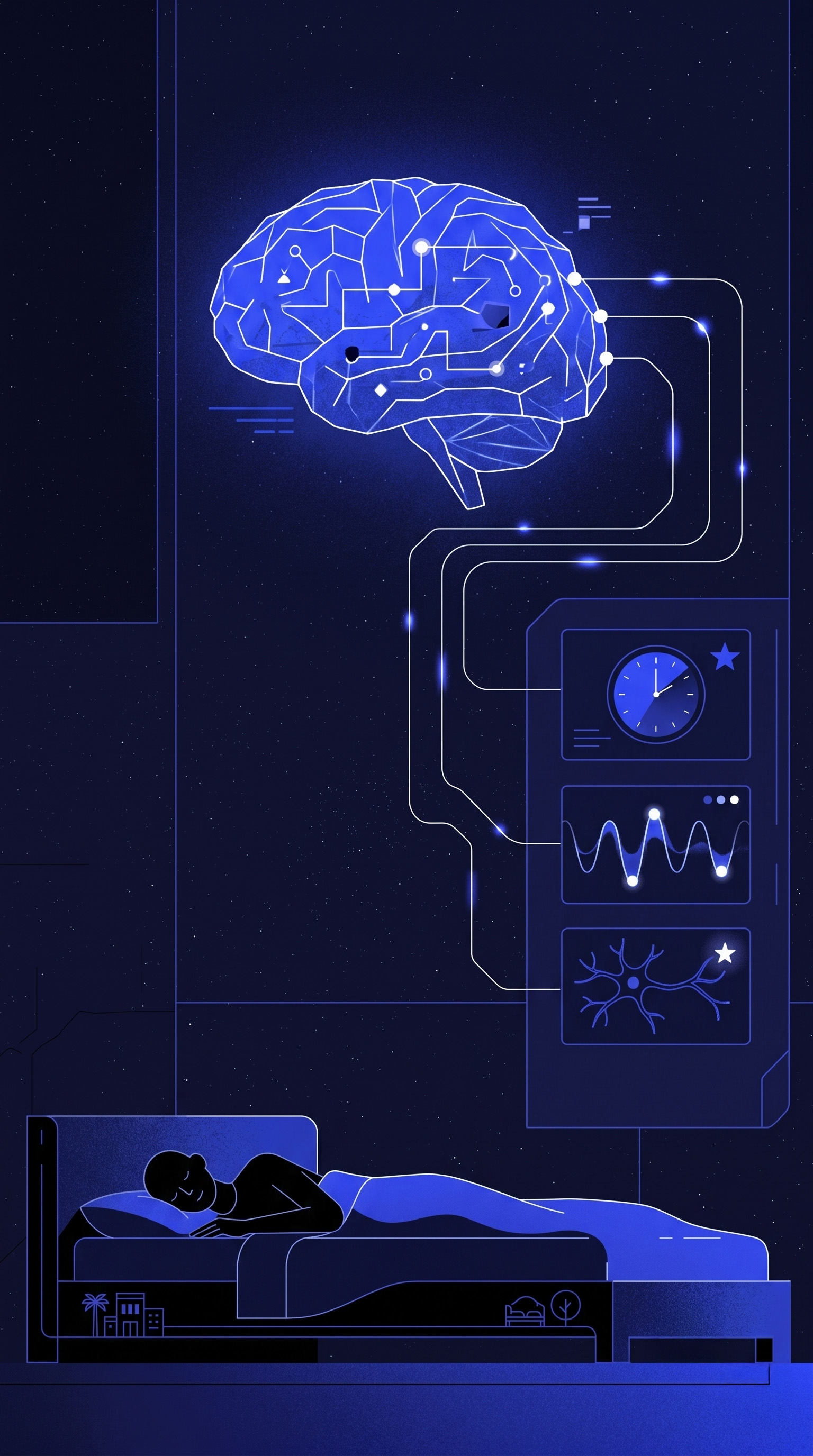
The hospitality industry is on the threshold of a new wellness era, in which two intertwining trends take the lead: neurofitness (brain training) and "sleep retreats" (specialized sleep programs), especially aimed at the demanding female segment. Modern wellness holistically encompasses not only the body but also the mind – from brain boot camps to sleep-improving therapies – and the offering is increasingly tailored to women's needs (from stress and regeneration to hormonal cycles). For hoteliers, this means an opportunity to stand out, attract premium guests, and increase revenues through scientifically proven programs that improve the quality of life.
Neurofitness is based on the brain's neuroplasticity – the ability to create new connections under the influence of training and experience. In practice, this means introducing elements of cognitive training, stress reduction techniques, and brain stimulation into the hotel's offer, which improve the guests' mental agility. After years of focus on body fitness, wellness is turning to brain fitness. Pioneering wellness resorts are introducing neurofitness programs designed to optimize brain function and help achieve peak mental performance now, as well as maintain sharpness for later years – these are a kind of training camps for the brain.
In practice, neurofitness in a hotel can include neurofeedback, biofeedback, mindfulness training using EEG sensors, and activities that improve cognitive reserve (memory, concentration, creativity). For example, the luxury spa Clinique La Prairie in Switzerland offers a weekly Brain Potential program with brain MRI, DNA testing, neuro-nutritional coaching, and individual mental exercises. In turn, the SHA Wellness Clinic chain (Spain, Mexico) offers guests a "Brain Boost" package – during the stay, one can undergo a neurocognitive assessment of brain function, use neuro-training and mindfulness sessions, as well as innovative treatments such as brain photobiomodulation developed by NASA (light stimulation with a specific wavelength to improve brain function). In Thailand, the esteemed wellness resort Kamalaya recently created a dedicated Cognitive House – it offers a Brain Enhancement program with therapies such as neuromodulation (electrical stimulation of the vagus nerve to improve mental clarity) or transcranial photobiomodulation. As Gopal Kumar, Kamalaya's wellness director, emphasizes, guests increasingly want to proactively optimize their mental performance, and not just "fix" problems; many people coming for such therapies complain about the common ailments of our times: mental fatigue, anxiety, concentration problems, sleep disorders, or professional burnout. This shows how brain training combines with sleep and stress reduction – and this is exactly where neurofitness meets the sleep wellness trend.
Importantly, new technologies go hand in hand with a holistic approach. Prof. Dr. Stefan Lorenzl, a neurologist from the famous Lanserhof Tegernsee medical spa in Germany, combines neurofeedback therapy with classic wellness in his Brain Health Program. He emphasizes that personalized movement, sleep quality, proper nutrition, and emotional well-being are often more effective and lasting as brain stimulators than technology alone. In other words: the basics of wellbeing (sleep, diet, activity, relaxation) strengthen the effects of high-tech neurofitness. Therefore, the best-designed programs combine "high-tech and high-touch" – for example, Six Senses in its resorts integrates biomarker measurements with traditional practices. Six Senses guests undergo a Wellness Screening at the start (including blood analysis, stress levels), and then receive a personalized plan, which may include mental training, meditations, appropriate diet, and spa treatments. Sensei Lanai (Four Seasons) in Hawaii went a step further – each participant of their Optimal Wellbeing program receives a WHOOP 4.0 band to monitor the body even before arrival. The device collects data around the clock (including resting heart rate, HRV heart rate variability, respiratory rate, sleep phases) and sends it to wellness trainers. Sensei Guides on site analyze the guest's body reactions in real time and continuously adjust training, regeneration, and interventions, simultaneously teaching the guest how daily behaviors affect their results. This is a good example of how biometric data and neuroscience permeate the wellness offer – from brain training to sleep hygiene.
Parallel to neurofitness, the approach to sleep is undergoing a revolution in wellness hospitality, especially in the context of the needs of women aged 35–60. The pandemic changed our priorities – today, clients above all look for rest and regeneration. As Hilton's trend report showed, for people of all generations, rest has become the main reason for travel in 2024, and many guests build their entire trip around sleep (sleep tourism). No wonder – it is estimated that every third adult suffers from sleep deprivation or sleep problems. Hotels decided to fill this gap, reaching for the latest sleep science knowledge and sleep-improving technologies to fulfill the promise of a good sleep away from home.
"We can't sleep (still)" – this is how Condé Nast Traveler vividly put it, pointing out that providing guests with quality sleep has become both a challenge and a priority for the industry. Analysts predict that the global sleep-related sector (sleep economy, including products and services that improve sleep) will grow by over USD 400 billion by 2028, and wellness tourism strongly contributes to this trend. In 2023, many offers aimed at so-called sleep hygiene appeared, and experts announce a further explosion of hoteliers' investments in sleep programs – from hiring scientists specializing in sleep, to implementing advanced gadgets that help fall asleep.
What do such sleep retreats look like in practice? Usually, these are organized stay packages (e.g., 3, 5, or 7 nights) during which every aspect of the guest's experience is subordinated to improving sleep and regeneration. Hilton debuted in March 2024 with its proprietary Hilton Sleep Retreats – the first ones take place at the Grand Wailea (Waldorf Astoria) in Hawaii and are led by renowned sleep researcher Dr. Rebecca Robbins. These programs provide guests with a comprehensive journey through the science and practice of healthy sleep – from classes and lectures on sleep mechanisms and circadian rhythms, through meditations and relaxation techniques before bed, to spa treatments alleviating jet lag and supporting the circadian rhythm. Guests learn, among other things, how to design their own personalized sleep schedule and healthy bedtime rituals. Importantly, Hilton treats these retreats as an innovation testing ground that will allow for developing best practices and spreading them to other hotels in the chain. As Amanda Al-Masri, Hilton's Vice President of Wellness, emphasizes, the goal is for Hilton to be a "catalyst for wellness, starting with sleep" – over half of the surveyed travelers indicated the need for rest as key, so the hotel wants to take care of their regeneration at every touchpoint.
Other chains are also heavily investing in the sleep experience. For example, Hyatt, in cooperation with the Headspace platform, provided guests with an educational series "The Science Behind Sleep" with tips from a mindfulness teacher and a sleep expert, available in hundreds of hotels. Four Seasons in Westlake Village (California) launched the Sleep Solution package – during the stay, a professional sleep study (polysomnography) is performed under the supervision of a sleep expert, and guests have access to a special sleep menu: from guided meditation, through the "Mindful Dreams" massage, to soothing masks and aromatherapy. Such combining of hotel services with sleep medicine is a new distinguishing feature of luxury properties.
Many solutions are based on smart technologies. COMO Hotels in Singapore equipped rooms with the SleepHub device, which emits specially selected neuro-sounds supporting appropriate brain waves during sleep. Conrad Orlando (Hilton) offers wellness rooms with gadgets such as dawn-waking lamps (sunrise simulation for natural waking) or white noise machines. Smart mattresses and beds are becoming increasingly popular. One of the most advanced propositions is the Bryte Balance Smart Bed – an AI-controlled mattress packed with sensors that adjusts the firmness of zones to body positioning throughout the night, minimizing pressure points and awakenings. Carillon Miami Wellness Resort went further: in cooperation with Bryte, it equipped 100% of its suites with Bryte smart beds, becoming the first property in the world with such an amenity. Each Carillon guest can personalize comfort settings on both sides of the bed, fall asleep to a selected relaxation session (e.g., micro-massage rocking or soothing tones), and in the morning receive a detailed report of their last night's sleep. In October 2023, Carillon Hotels also introduced the Sleep Well Retreat package – a 4-day stay, within which guests have not only a luxury suite with this smart bed, but also a personalized program: healthy breakfasts and lunches, a special 50-minute Pro Sleep massage (combining aromatherapy, soothing sounds, and massage techniques from Indonesia and Ayurveda for deep relaxation), and additionally a choice of four high-tech contactless treatments supporting sleep. These treatments include sessions on the innovative VEMI platform (a combination of vibroacoustics, pulsed electromagnetic field, and light therapy in a capsule that induces a state of deep relaxation similar to meditation). The guest also receives a welcome pack: a wellness journal, a beach bag, and the book "Sleep for Success!" co-authored by Dr. Rebecca Robbins – to deepen knowledge and continue good habits after returning home. Importantly, Carillon also thought about busy people: if someone cannot afford a longer stay, a shortened Sleep Well Circuit is available – a day spa package including 6 intensive contactless therapies improving sleep, renewal, and relaxation (ideal for people with insomnia, jet lag, or workaholics in need of a restart). In this way, the hotel monetizes the sleep trend both in the form of extended stays and additional services for one-day or local guests.
An exceptionally receptive market segment for these novelties is the group of women, especially aged around 35 and above. Globally, we observe a boom in wellness targeted at women's health – topics once overlooked (menopause, hormonal fluctuations, caregiver stress, postpartum health) are stepping out of the shadows. By 2025, about 1.1 billion women worldwide will be postmenopausal, so it is no wonder that the wellness offer is beginning to address their needs. Menopausal and hormonal retreats are already a separate category of trips. In Europe, pioneers include Preidlhof (South Tyrol, Italy) or Combe Grove (England) – they offer dedicated stays with a whole range of peri-menopausal protocols: from acupuncture and herbalism to bioidentical hormone replacement therapy under the supervision of doctors. This trend is also visible in tropical luxury: Amilla Maldives Resort prepared a "Women’s Journey" package with endocrinological consultations, hormone-balancing diets, and hormonal yoga. All these programs share two goals: alleviating ailments (e.g., hot flashes, insomnia, mood swings) and restoring energy and confidence to women in periods of change.
The Six Senses chain, aiming to stay ahead of the market in 2025, introduced a cohesive Female Wellness Program in collaboration with Dr. Mindy Pelz, a holistic women's health expert. Each Six Senses resort (initially including Six Senses in Rome, Portugal, the Maldives, and Switzerland) offers a 3-, 5-, or 7-day individual wellness path for women, focusing on aspects such as perimenopause, menopause, fertility, and the menstrual cycle. The program is intensely personalized: in the tranquility of the resort, away from daily obligations, ladies learn the latest knowledge about their bodies – from supporting hormonal balance, through techniques for managing sugar and mood swings, to sexuality and pelvic floor muscle exercises. Six Senses uses both science and ancient wisdom for this: each participant undergoes a non-invasive wellness scan of selected biomarkers at the start, and then wears a CGM (continuous glucose monitor) throughout the stay to track blood sugar levels and understand the relationship between diet (e.g., intermittent fasting) and the hormonal cycle. The key pillars of the program are cycle-adjusted nutrition (including intermittent fasting, a diet supporting hormone balance), appropriately selected movement and mind-body practices, and work on improving sleep quality and stress resilience. Six Senses integrates its proven Sleep With Six Senses and Eat With Six Senses modules here – each participant's room is optimized for sleep (handcrafted natural mattresses, organic pillow menus, the option to wear a sleep tracker or a sleep-tracking ring during the stay). In the morning, a specialist analyzes the sleep results and, together with the guest, introduces adjustments (e.g., earlier screen dimming, a change in room temperature) for the next night. The program also teaches how to listen to the body's signals and adjust lifestyle: women learn, among other things, how to adjust exercise intensity and eating patterns to cycle phases, what to do to alleviate brain fog and weight fluctuations during menopause, and how to work with emotions during difficult moments of transition. All this in line with the idea that women "thrived, not just survived" – that is, they not only survived these changes but flourished, regaining control over their health. From a business point of view, Six Senses accurately hit a market niche: affluent, conscious women looking for reliable knowledge and effective methods of self-care.
It is worth emphasizing that the wellness travel segment for women is growing dynamically. According to Future Market Insights analysis, the market with the fastest-growing demand in wellness tourism is precisely the female segment – women are increasingly looking for trips with programs tailored to their needs, from hormonal balance retreats to mother wellness stays or trips that boost self-esteem. For hotels, this means the possibility of building thematic offers (e.g., anti-stress packages for businesswomen, regenerative weekends for new mothers, menopause wellness retreats, etc.). Especially since the female wellness clientele has a growing purchasing power – global data says that by 2028, women will control up to 75% of the household discretionary spending pool. Already, wellness-oriented female travelers spend 177% more in their country of residence (and 35% more abroad) than the average tourist. This is a very loyal, but also demanding group – they expect authenticity, the highest quality, and real results.
What do these trends mean for hoteliers from a business perspective? Above all, a chance to create unique, premium products that will increase the average daily rate (ADR) and attract new clients from the high-spending segment. Properly designed neurofitness programs or sleep retreats allow for a significant increase in the value of the service basket – guests are willing to pay extra for measurable health benefits and scientifically proven methods. For example, the Boram Postnatal Retreat at the Park Lane Hotel in New York (aimed at new mothers) costs around USD 1000 per night, although it mainly includes baby amenities and lactation care, and yet it is very popular. Advanced packages that extend stays are priced even higher: e.g., the American Canyon Ranch Wellness Resort offers a 4-day longevity program with tests for USD 20,000, and a weekly brain camp at Clinique La Prairie is an expense of several thousand francs. Of course, not every hotel is a luxury clinic – but even on a smaller scale, revenue per room can be significantly increased through wellness. Additional fees for specialized consultations (e.g., with a neurofitness trainer or sleep therapist), equipment rental (like a sleep-tracking band), sales of devices and gadgets (guests often want to buy the pillow or neuro-relaxation mat they used) – these are all new revenue streams.
The format of the packages should be tailored to the guests' profile. Short 2–3 day weekend retreats can attract busy people (e.g., a stress relief weekend with HRV training and floatation therapy). Longer 5–7 day programs will work in resorts – the client treats it as a full-sized health holiday. It is important to build the offer modularly: a core package (accommodation + basic treatments) and a range of upselling add-ons (subsequent neurofeedback sessions, private yoga nidra classes, extra sleep diagnostics for a surcharge, etc.). Such an approach increases the Total Revenue Per Guest (TRPG - also known as RevPAC or RevPAG) – an increasingly used indicator in the hospitality industry.
This segment also fosters loyalty and extending the so-called customer lifetime value (LTV). A guest who experiences a clear improvement in well-being will gladly return to repeat the program in a year or come for another module (e.g., after a sleep retreat, let's offer a brain mastery retreat or a menopause detox sometime later). Hotels can build a community around wellness – newsletters with neurofitness tips, private social media groups for retreat alumni, loyalty discounts for subsequent editions. This increases guest retention and word-of-mouth marketing. Let's remember that a satisfied wellness tourist will become a brand ambassador, and their recommendation is invaluable.
The introduction of neurofitness and sleep programs requires investments in equipment and training, but it does not always have to be expensive. One can start with partnerships (e.g., a local neurotherapy clinic conducting sessions in the hotel once a week, a dietitian specialist or mental trainer available on call), pilot events (a weekend neurofit & sleep workshop with experts, etc.). Marketing packaging and value communication are important here. Guests should be educated already at the promotion stage: explain what neuroplasticity is and why it's worth training the brain; show data (e.g., sleep improves memory and learning ability through neuroplasticity mechanisms); cite authorities (e.g., cooperation with a university or certification of the program by a doctor). Such reliability will build trust and allow standing out against general spa offers. The key is authenticity – let's avoid "wellness-washing," i.e., superficially adding a wellness label without backing. If we promise a scientific approach, let's invest in real quality: certified equipment, trained staff, medical consultations for those interested.
At the operational level, the integration of new wellness elements can elevate the team's competence and service standard. For example, training concierges or spa therapists in the basics of sleep coaching or mindfulness will make every employee a part of the guest's wellness experience (if only through a simple advice to use the pillow menu and sleep herbs offered by the hotel in the evening). This fits into the broader trend of "well-being hospitality," where care for the guest's well-being permeates the entire stay.
In conclusion, neurofitness and the science of sleep can elevate hotel wellness to a higher level. They add depth and credibility to the offer – after all, they are based on hard scientific data and measurable results. For the guest, it is not only relaxation, but real health value (better sleep, a more agile mind, stress reduction) that can easily be translated into the language of benefits. For the hotel – an opportunity to position itself as an innovator, increase premium revenues, and build loyalty among the most lucrative clientele. Wellness is gaining a new face: it encompasses brain and sleep hygiene. And as we know, a rested guest with a clear mind is a satisfied guest – and one who gladly returns. From a marketing and business perspective, investing in these two trends can multiply the value of a hotel's wellness offer, providing a competitive advantage for years to come.